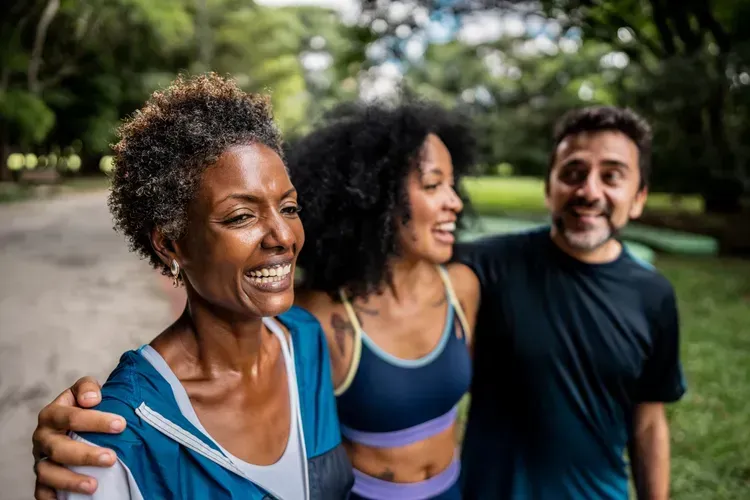




Need More Inspiration to Exercise? Don’t Do It Alone

N. Smith • September 11, 2024

We all know the importance of regular exercise, yet finding the motivation to stay active can sometimes be a challenge. Whether it’s the lure of the couch, the demands of daily life, or just a general sense of fatigue, there are countless reasons we might skip that workout or brisk walk. But what if there was a way to make exercise more enjoyable and something you genuinely look forward to? The answer may be simpler than you think: Don’t do it alone.


Exercising with a friend or in a group can be a game-changer for your fitness routine. People working with a partner or in a group are more likely to stick to their exercise programs and reach their fitness goals. But why is this the case?


1. Accountability:
When you commit to exercising with someone else, you’re less likely to skip the workout. Whether it’s an early morning jog or an evening gym session, knowing someone else is counting on you can provide that extra push to show up.


2. Social Interaction:
Exercising with others turns workouts into a social activity. It’s an opportunity to catch up with friends, share experiences, and meet new people. This social interaction can make workouts feel less like a chore and more fun and engaging.


3. Friendly Competition:
A little competition can be healthy and motivating. When you exercise with others, you may push harder to keep up or improve your performance. This can lead to better results and a greater sense of accomplishment.


4. Support and Encouragement:
We all have days when we feel less eager about working out. On those days, a workout buddy can encourage you to get moving. They can cheer you on during tough workouts and celebrate your successes with you.


Understand that exercising doesn’t have to be a solo endeavor. Finding a workout buddy or joining a group can boost your motivation and make your fitness journey more enjoyable. So the next time you’re feeling uninspired to lace up those sneakers, reach out to a friend—you might find the inspiration you need to keep moving.


Credit Julie Corliss, Need more inspiration to exercise? Don't go it alone https://www.health.harvard.edu/heart-health/need-more-inspiration-to-exercise-dont-go-it-alone

By N. Smith August 4, 2026
When people think about protecting their brain health, they often focus on puzzles, memory games, or supplements promising sharper thinking. While these activities can play a role, the most powerful ways to support cognitive function are often the simplest habits practiced consistently every day. Cognitive function includes abilities such as memory, attention, learning, decision-making, problem-solving, and processing information. The good news is that small lifestyle choices can have a meaningful impact on how well your brain works today and as you age. Physical activity, quality sleep, balanced nutrition, and meaningful social engagement all contribute to a healthier brain. The key is making sustainable changes that fit naturally into your routine. 1. Doing Regular Physical Activity Exercise benefits far more than your muscles and heart—it also supports brain health. Regular physical activity increases blood flow to the brain, delivering oxygen and nutrients that help brain cells function effectively. It can also support memory, improve concentration, reduce stress, and lower the risk of cognitive decline over time. Aim to move your body most days of the week, and choose activities you genuinely enjoy. Consistency matters more than intensity. 2. Getting Enough Sleep Sleep is essential for cognitive function. While you sleep, your brain processes information, consolidates memories, and clears away waste products that accumulate throughout the day. Poor sleep can affect attention, mood, reaction time, and decision-making. Aim for seven to nine hours of sleep each night. Prioritizing quality rest is one of the most effective ways to support your brain. 3. Eating a Balanced Diet What you eat influences how your brain functions. A balanced diet rich in fruits, vegetables, whole grains, lean proteins, healthy fats, and fiber provides nutrients that support cognitive health. Staying hydrated is equally important, as even mild dehydration can affect concentration and memory. Rather than focusing on restrictive diets, aim for balanced meals that nourish both your body and mind. 4. Volunteering Giving your time to others can benefit your brain as much as your community. Volunteering provides opportunities for social interaction, problem-solving, and learning new skills—all of which help keep your mind engaged. Whether you mentor students, help at a food pantry, participate in community events, or support a local organization, volunteering can create meaningful experiences that enrich your life. 5. Practicing Your Hobbies Hobbies do more than fill your free time—they challenge your brain in valuable ways. Activities such as reading, painting, gardening, playing music, cooking, writing, photography, or learning a new language stimulate different areas of the brain and encourage lifelong learning. Hobbies can also reduce stress, improve mood, and provide a sense of accomplishment. The best hobby for cognitive health is one that keeps you engaged and excited to continue learning. 6. Taking Care of Animals Caring for animals can provide emotional, physical, and cognitive benefits. Looking after an animal creates routines and responsibilities that help keep the mind active. Pets can also encourage physical activity, social interaction, and stress reduction. Walking a dog, playing with a cat, or simply spending time with an animal can improve mood and foster feelings of connection. Supporting cognitive health does not require dramatic lifestyle changes. Your brain benefits from the choices you make every day. By investing in habits that support both physical and mental well-being, you can help maintain cognitive function and improve your quality of life for years to come. Start with one small change today and build from there. Credit Brittany Dube, MPH The Everyday Habits That Quietly Improve Cognitive Function https://www.health.com/everyday-habits-that-improve-cognitive-function-11992241
By N. Smith July 29, 2026
When it comes to living a long, healthy life, the basics matter most: movement, nutrition, sleep, stress reduction, and social connection. These are not new ideas. Most people already know them. The real challenge is consistency. Longevity is built through the habits you return to day after day, year after year. Movement Regular movement helps keep the body strong, mobile, and independent. It does not have to mean intense workouts every day. Walking, stretching, strength training, and staying active in ways you enjoy all make a difference. Nutrition Nutrition is about giving your body the fuel it needs to function well. A healthy pattern of eating over time matters more than perfection. Focus on nourishing foods most of the time and building a way of eating you can maintain. Sleep Sleep is essential for recovery, focus, and overall health. Making rest a priority helps the body repair and the mind reset. A consistent sleep routine can support better energy and better long-term health. Stress Reduction Stress is part of life, but learning how to manage it matters. Whether it is through deep breathing, prayer, journaling, exercise, or quiet time, finding ways to reset can support both mental and physical well-being. Social Connection Strong relationships are also part of a healthy life. Spending time with family, friends, and community can provide support, purpose, and emotional balance. The truth is, longevity is not about extremes. It is about staying committed to the basics and doing them consistently over time. Small choices repeated daily can have a lasting impact. That is the real foundation of a long, healthy life. Credit Maureen Salamon The 5 pillars of longevity: Movement, nutrition, sleep, stress reduction, and social connection https://www.health.harvard.edu/healthy-aging-and-longevity/the-5-pillars-of-longevity-movement-nutrition-sleep-stress-reduction-and-social-connection
By N. Smith July 23, 2026
We often think of exercise as a way to build stronger muscles, improve endurance, or keep our hearts healthy. And while all of those benefits are true, new research suggests that regular physical activity may be doing something even more impressive—it may actually rewire the nerves that help control your heart. Researchers recently discovered that exercise doesn't just strengthen the heart muscle. It also changes the network of nerves responsible for regulating heart rate, rhythm, and overall cardiovascular function. These findings could one day help scientists develop more personalized treatments for common heart conditions like arrhythmias and angina. In the study, researchers used advanced imaging technology to examine how exercise affected the nerves connected to the heart. After 10 weeks of regular training, they found noticeable changes in the nerve cells that help regulate cardiovascular function. Some nerve clusters grew larger, while others increased in number, suggesting that exercise helps the nervous system adapt alongside the heart itself. Why is this important? Your heart and nervous system work together every second of the day. The nervous system tells your heart when to speed up during physical activity, slow down while you rest, and respond to stress. A healthier, more adaptable communication system may help your heart function more efficiently and maintain a steadier rhythm over time. Although this research was conducted in animals and more studies are needed to understand how these changes occur in people, the findings add to the growing list of reasons to stay active. Exercise isn't just helping your heart pump blood more effectively—it's also supporting the systems that control how your heart works. The good news is you don't need to be a marathon runner to experience the benefits of regular movement. Activities like brisk walking, cycling, swimming, dancing, or strength training can all contribute to better cardiovascular health. The key is finding something you enjoy and making it part of your routine. Every step, bike ride, or workout is an investment in your health. As scientists continue learning more about the connection between exercise and the nervous system, one thing is already clear: staying active does more than strengthen your heart—it helps your body become healthier from the inside out. Credit University of Bristol https://www.sciencedaily.com/releases/2026/07/260712011755.htm
By N. Smith July 15, 2026
When it comes to your health, you don't have to be perfect—you just have to be consistent. Many people believe that getting healthy requires a complete lifestyle overhaul. In reality, it's the small choices you make every day that have the greatest impact over time. A nutritious breakfast, a short walk after dinner, drinking more water, getting enough sleep, or choosing fruit instead of a sugary snack may seem insignificant on their own. But repeated day after day, these habits can add up to meaningful improvements in your physical and mental well-being. Think of healthy habits like compound interest. Just as small, regular investments can grow into substantial savings, small daily actions can strengthen your heart, improve your energy, support a healthy weight, and lower your risk of chronic diseases over the years. Consistency doesn't just benefit your body—it also has a powerful effect on your mental health. Regular exercise releases chemicals in the brain that help improve mood, reduce stress, and boost feelings of well-being. Prioritizing sleep can improve concentration, emotional resilience, and memory.  Eating a balanced diet provides the nutrients your brain needs to function at its best, while staying hydrated can help reduce fatigue and improve focus. Even simple daily routines can create a sense of stability during stressful times. Taking a few minutes each morning to stretch, practicing gratitude, spending time outdoors, or connecting with a friend can help reduce feelings of anxiety and support emotional well-being. It's also important to remember that progress isn't always linear. There will be days when you skip a workout, order takeout instead of cooking, or don't get enough sleep. That's part of being human. One off day won't determine your health—what matters is returning to your healthy habits instead of striving for perfection. If you're looking to build a healthier lifestyle, start with one or two simple habits: Move your body for at least 30 minutes most days. Fill half your plate with fruits and vegetables. Drink plenty of water throughout the day. Aim for 7–9 hours of quality sleep each night. Take a few minutes to manage stress through deep breathing, meditation, journaling, or quiet reflection. Make time to connect with family, friends, or your community. Healthy living isn't about making perfect choices every day—it's about making better choices more often. The small habits you repeat consistently shape not only your physical health but also your mental and emotional well-being. Over time, those everyday actions can help you feel stronger, think more clearly, manage stress more effectively, and enjoy a healthier, more fulfilling life. Credit Swati Sharma How I Keep Healthy: “Consistency Beats Perfection” https://www.deccanchronicle.com/tabloid/hyderabad-chronicle/how-i-keep-healthy-consistency-beats-perfection-1966044
By N. Smith July 9, 2026
Summer is a great time to enjoy outdoor activities, family gatherings, and vacations, but as temperatures climb, so does the risk of dehydration and heat-related illness. Taking a few simple precautions can help you stay healthy and safe all season long. Why Hydration Matters Water helps regulate body temperature, supports your organs, carries nutrients throughout the body, and keeps you feeling your best. During hot weather, your body loses more fluids through sweat, making it important to replace them throughout the day. Even mild dehydration can cause fatigue, headaches, dizziness, and difficulty concentrating. In more serious cases, it can lead to heat exhaustion or heat stroke. Tips to Stay Hydrated Drink water regularly throughout the day instead of waiting until you feel thirsty. Eat water-rich foods like watermelon, cucumbers, oranges, strawberries, and tomatoes. Drink extra fluids after exercising or spending extended time outdoors. Limit sugary drinks and alcohol, which can contribute to dehydration. Carry a reusable water bottle to make staying hydrated easier. Stay Safe in the Heat Along with drinking plenty of water, you can protect yourself by: Wearing lightweight, breathable clothing. Applying sunscreen and wearing a hat when outdoors. Taking breaks in the shade or air conditioning. Planning outdoor activities during the cooler morning or evening hours. Never leave children, older adults, or pets in a parked vehicle.  Look Out for the Warning Signs Watch for symptoms of dehydration, including increased thirst, dry mouth, headaches, dizziness, muscle cramps, fatigue, and dark-colored urine. If someone becomes confused, faints, or has trouble cooling down, seek medical attention immediately. Summer is meant to be enjoyed. By staying hydrated, protecting yourself from the heat, and checking in on family members, friends, and neighbors who may be more vulnerable, you can help ensure everyone has a safe, healthy, and enjoyable season. Credit How to stay cool and safe in a heat wave, even without air conditioning https://www.pbs.org/newshour/health/how-to-stay-cool-and-safe-in-a-heat-wave-even-without-air-conditioning
By N. Smith June 24, 2026
Supplements can support your health, but they shouldn't replace a balanced diet. Think of multivitamins and supplements as a way to "hedge your bets." They can help fill nutritional gaps on days when your eating habits aren't ideal. Still, whole foods provide a combination of vitamins, minerals, fiber, antioxidants, and healthy fats that supplements can't replicate. Instead of relying on pills and powders, focus on building your diet around nutrient-rich foods like these: 1. Sunflower Seeds These small seeds pack a big nutritional punch. Rich in vitamin E, magnesium, selenium, and healthy fats, sunflower seeds support heart health and help protect cells from damage. Add them to salads, yogurt, or trail mix for an easy way to boost your nutrition. 2. Fruits and Vegetables Fruits and vegetables provide essential vitamins, minerals, antioxidants, and fiber that support digestion, immunity, and overall well-being. Aim to fill half your plate with a colorful variety of produce to maximize your nutrient intake. 3. Fatty Fish Salmon, sardines, mackerel, and trout are excellent sources of omega-3 fatty acids and vitamin D, nutrients that support brain, heart, and bone health. Try to include fatty fish in your meals at least twice a week. 4. Walnuts Walnuts provide plant-based omega-3 fatty acids, fiber, protein, magnesium, and antioxidants that support heart and brain health. Enjoy them as a snack or add them to oatmeal, salads, and smoothies. 5. Brown Rice As a whole grain, brown rice contains more fiber, magnesium, manganese, and B vitamins than refined grains. Swapping white rice for brown rice can help support steady energy levels and digestive health. Food First, Supplements Second While supplements can be helpful—especially for people with diagnosed deficiencies—they aren't always risk-free. Some supplements, particularly in high doses, can interact with medications or increase the risk of side effects such as kidney stones or stroke. Before starting any supplement, speak with your healthcare provider and consider getting a blood test to determine whether you have a nutritional deficiency or another specific health need. At the end of the day, only you can decide what goes into your body. Adopting a healthy lifestyle and being mindful about the foods you eat can have a bigger impact on your long-term health than any supplement. Supplements are valuable tools, but they should support a healthy diet—not replace it. Credit Stephanie Brown 5 Nutrient-Rich Foods to Eat Instead of Taking Supplements https://www.verywellhealth.com/foods-to-eat-instead-of-taking-supplements-11986931
By N. Smith June 17, 2026
Meditation gets a lot of well-deserved praise—and for good reason. It’s been shown to reduce stress and anxiety, improve focus, support better sleep, and even play a role in lowering the risk of chronic conditions like high blood pressure. On paper, it sounds like something everyone should be doing daily. But in reality, meditation isn’t always easy. For many people, especially in a world built around constant stimulation, the idea of sitting still with your thoughts can feel overwhelming. If your mind races, if silence feels uncomfortable, or if you’ve ever tried meditation and thought, “This just isn’t for me,” you’re not alone. The good news is this: mindfulness doesn’t have to look like traditional meditation. There’s a simpler, more approachable entry point—and it starts with something you’re already doing every second of the day: breathing. Try Breathwork Instead Breathwork offers many of the same benefits as meditation, but without the pressure of “clearing your mind” or sitting still for long periods. It gives your attention something tangible to hold onto, making it easier to stay present—even if your thoughts are busy. And the best part? You can start in under a minute. A simple place to begin is with five intentional breaths. Breathe in slowly through your nose for a count of five. Then exhale gently through your mouth for a count of five. Repeat this five times. That’s it. In total, it takes less than 60 seconds—but it can shift your state almost immediately. As you breathe, bring your awareness to the physical sensations in your body. Notice your chest rising and falling. Feel the air moving in and out. If your mind wanders (and it will), gently guide it back to your breath—no judgment, no pressure. If five breaths feels like too much, start with one. One intentional breath is still a reset, and you can always build from there. Why It Works When you slow your breathing, you activate your body’s relaxation response. Your heart rate begins to settle. Your muscles loosen. Your nervous system shifts out of “fight or flight” and into a calmer, more balanced state. It’s a small action with a powerful ripple effect. And unlike traditional meditation, breathwork meets you where you are. You can do it while sitting at your desk, walking outside, lying in bed, or even in the middle of a stressful moment. No special setup. No perfect conditions required. Redefining Mindfulness Mindfulness doesn’t have to be intimidating. It doesn’t require silence, perfection, or long stretches of stillness. Sometimes, it’s as simple as taking a breath—and then another. If meditation has felt out of reach, consider this your permission to try a different approach. Start small. Stay consistent. Let it be easy. Because building a healthier, calmer mind isn’t about doing it perfectly—it’s about finding what works for you and returning to it, one breath at a time. Credit Maura Hohman If You Struggle With Meditation, Try This More Approachable Mindfulness Exercise Instead https://www.today.com/health/mind-body/breath-work-easier-meditation-expert-tip-rcna341282
By N. Smith June 10, 2026
June is Men's Mental Health Month, a time to raise awareness about the importance of mental well-being and encourage men to seek support when they need it. Mental health is just as important as physical health, yet many men struggle in silence due to stigma and societal expectations. Challenges such as stress, anxiety, depression, or substance use can affect relationships, work, and overall quality of life when left unaddressed. Recognizing warning signs such as persistent sadness, irritability, sleep changes, or withdrawing from others is an important first step. Seeking support from a trusted friend, primary care provider, or mental health professional is not a sign of weakness—it is a sign of strength. This Men's Mental Health Month, consider checking in with yourself and the men in your life. A simple conversation can help break down barriers and remind someone that they are not alone. Whether it's reaching out to a friend, talking with a healthcare provider, or seeking professional support, taking that first step can have a lasting impact. Mental health matters every day, and everyone deserves the opportunity to seek help, heal, and thrive. Remember: you don't have to carry it alone. Credit Anthony Matt Men’s Health Month: Preventive care starts with being proactive https://www.essentiahealth.org/about/essentia-health-newsroom/mens-health-month-preventive-care-starts-with-being-proactive
By N. Smith June 3, 2026
Mental health plays an important role in our everyday lives. It affects how we manage stress, build relationships, make decisions, and navigate life's challenges. Within the Black community, conversations around mental health have often been shaped by stigma, limited access to care, and systemic barriers. That's why having resources that educate, inspire, and encourage healing can make a meaningful difference. Whether you're looking to understand your emotions better, strengthen your resilience, or support someone you care about, these seven books by Black authors offer valuable insights for the journey. 1. The Unapologetic Guide to Black Mental Health By Rheeda Walker, PhD This essential guide addresses the unique mental health challenges Black individuals face while offering practical tools for emotional wellness, self-care, and seeking support. 2. Sisterhood Heals: The Transformative Power of Healing in Community By Joy Harden Bradford, PhD Dr. Joy Harden Bradford explores the healing power of connection and community, showing how supportive relationships can positively impact mental health and personal growth. 3. Bottled Up Inside: African American Teens and Depression By Rose Jackson Beavers and Jermaine Alberty Focused on depression among African American teens, this book helps readers recognize warning signs, understand treatment options, and encourage important conversations about mental health. 4. Soothe Your Nerves: The Black Women's Guide to Understanding and Overcoming Anxiety, Panic, and Fear By Angela Neal-Barnett, PhD The book explores how anxiety manifests in everyday life and offers practical coping strategies to reduce stress and build confidence. Readers will find both validation and encouragement throughout its pages. 5. Rest Is Resistance By Tricia Hersey (The Nap Bishop) In a culture that often glorifies constant productivity, Tricia Hersey challenges readers to rethink their relationship with rest. She argues that rest is not a luxury—it is a necessity and a form of resistance against systems that have historically demanded overwork from marginalized communities. It serves as a powerful reminder that slowing down and caring for yourself are critical acts of self-preservation. 6. 72 Hour Hold By Bebe Moore Campbell This powerful novel sheds light on the realities of mental illness and the challenges families often face while seeking treatment and support for loved ones. 7. The Light We Carry: Overcoming in Uncertain Times By Michelle Obama Michelle Obama shares personal stories and practical lessons on resilience, confidence, and navigating uncertainty. While not solely focused on mental health, the book offers valuable insights into maintaining hope and overcoming challenges. Credit Bridgette Bartlett Royall 7 Essential Mental Health Books By Black Authors https://www.essence.com/commerce/7-mental-health-books-by-black-authors/#1595136
By N. Smith May 27, 2026
Most people know exercise is good for them, but new research suggests we may need more movement than the standard recommendation to significantly improve heart health. Current guidelines from the Centers for Disease Control and Prevention and the World Health Organization recommend at least 150 minutes of moderate exercise each week. That amount can help lower blood pressure, improve circulation, reduce stress, strengthen the heart, and lower the risk of conditions like heart disease and stroke. However, a new study published in the British Journal of Sports Medicine found that people who exercised closer to 560–610 minutes per week saw even greater reductions in cardiovascular risk. The bigger message is not that everyone needs intense daily workouts. Regular movement plays a major role in protecting long-term health. Exercise helps the heart work more efficiently, supports healthy blood flow, improves energy levels, and can even boost mood and mental well-being. Even small increases in activity can make a difference. Walking more, staying consistent, and finding forms of exercise you enjoy can help build habits that support both your heart and your overall quality of life. Credit Korin Miller How Much Exercise Do You Need Each Week for a Healthy Heart? https://www.outsideonline.com/health/training-performance/how-much-weekly-exercise-heart-health/