



How to Build Habits That Actually Last
Habits don't stick because of perfection—they stick because of progress.
Every day, you make hundreds of decisions. Over time, the ones you repeat without thinking become your habits. And those small, daily choices—how you sleep, move, eat, and manage stress—quietly shape your health and your future.
Progress Over Perfection
Most people fall off because they think they have to get everything right.
Miss a workout? Eat something unhealthy? Skip a routine? It feels like failure.
But consistency isn't about perfection—it's about showing up. Even a small effort counts. The goal is progress, not perfection.
Habits Are Personal
There's no one-size-fits-all approach. What works for someone else might not work for you, and finding your rhythm takes time.
For some, having support helps. A health coach, for example, can provide accountability, encouragement, and help you stay on track when motivation fades. They're not a replacement for medical professionals, but they can be a powerful addition to your routine.
Build Systems, Not Willpower
Willpower isn't about constantly pushing yourself—it's about needing it less.
Strong habits reduce decision-making. When routines are built into your day, you save mental energy for the moments that actually require discipline.
Start With the Foundation
If your body isn't supported, your habits won't last.
Sleep and stress management are everything. Without them, your energy drops, your focus weakens, and consistency becomes harder to maintain.
Don't ignore the connection
Health isn't just physical.
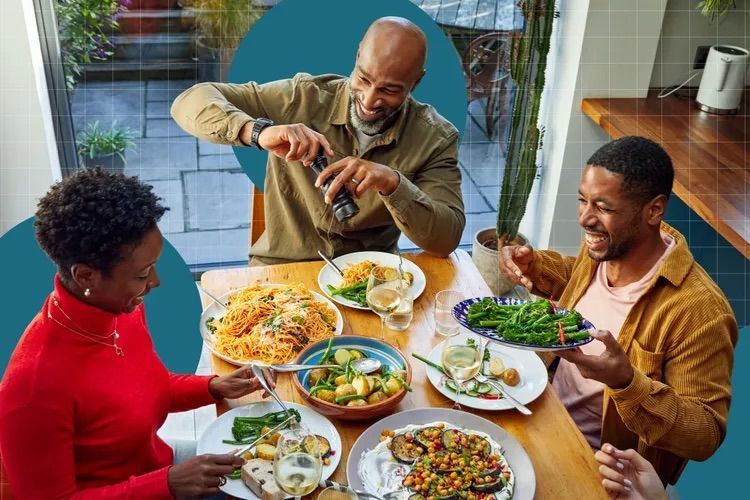
In some of the world's longest-living populations, a strong community is a common thread. Support, connection, and shared experiences reinforce habits in ways discipline alone can't.
How Long Does It Take?
There's no exact timeline.
You might see progress in weeks, but a real lifestyle change can take months—or even a year—as you navigate different seasons of life. And even then, your habits will evolve.
Flexibility Is What Keeps You Going
Rigid habits break easily.
If you expect yourself to be perfect every day, you're more likely to quit. But when you allow flexibility—doing what you can instead of nothing at all—you create something sustainable.
And remember: your habits don't define your worth. One off day isn't failure—it's part of the process.
Set yourself up to win:
Stack habits into routines you already have- Use reminders and cues
- Make good choices easier and bad ones less convenient
Small changes in your environment can lead to big changes in your behavior.
There's no perfect time to begin.
Habits are built in real life—on busy days, imperfect routines, and small efforts that add up over time.
So start where you are. Stay consistent. Give yourself grace.
Because what makes a habit stick isn't perfection—it's the decision to keep going.
Credit Jenn Trepeck and Tara Schmidt What makes a habit stick?
https://mcpress.mayoclinic.org/nutrition-fitness/what-makes-a-habit-stick/